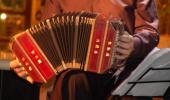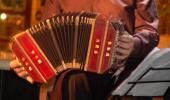

The Historical Roots of Tango and MilongasTango emerged in the late 19th century along the Río de la Plata, blending Argentine milonga, Spanish-Cuban habanera, and African candombe influences. Born in the working-class neighborhoods of Buenos Aires and Montevideo, it was initially danced in brothels and bars, often shunned by high society. By the 1930s, during the Golden Age of Tango, the dance gained global acclaim, thanks to legends like Carlos Gardel, whose soulful voice popularized tango as a song form, and composers like Aníbal Troilo and Astor Piazzolla, who elevated tango music to new heights. Milongas became the social hubs where dancers gathered to perfect their craft, forging a cultural legacy that thrives today.
Top Milongas in Buenos Aires1. Milonga Parakultural at Salón Canning


- Location: Suipacha 384, C1008AAF, Buenos Aires
- Why It’s Famous: A cornerstone of Buenos Aires’ tango scene since the 1990s, Milonga Parakultural at Salón Canning is renowned for its vibrant atmosphere and diverse crowd, welcoming dancers from beginners to experts. This milonga blends traditional tango with a modern flair, making it a must-visit.
- Historical Significance: Salón Canning has been a tango hub for decades, hosting countless dancers and orchestras during the tango revival of the late 20th century.
- Famous Organizers and Visitors: Organized by a dedicated team preserving tango’s traditions, it has attracted dancers like Gustavo Naveira, a pioneer of tango nuevo, and international tangueros seeking an authentic experience.
- Live Orchestras and DJs: Features live performances by top orchestras like Orquesta Típica Fernández Fierro, known for its raw, contemporary sound. Tango DJs like those inspired by the Golden Age (e.g., D’Arienzo, Di Sarli) spin classic tracks to keep the dance floor alive.
- Lessons and Practicas: Pre-milonga classes cater to all levels, with practicas held regularly to refine skills in a supportive environment.


- Location: Armenia 1366, 1er subsuelo, C1414DKD, Buenos Aires
- Why It’s Famous: Located in the trendy Palermo neighborhood, La Viruta is a cultural hotspot known for its inclusive vibe and mix of tango with other dance styles like salsa and rock. It’s a favorite among younger dancers and tourists.
- Historical Significance: La Viruta emerged during the tango renaissance of the 1990s, reflecting Buenos Aires’ evolving dance culture while honoring its roots.
- Famous Organizers and Visitors: Run by a passionate team, it has hosted dancers like Daniel Trenner, who helped spread improvisational tango globally. Celebrities like Robert Duvall, a known tango enthusiast, have been spotted here.
- Live Orchestras and DJs: Features live sets by modern tango orchestras and DJs who mix traditional tracks with electrotango influences from bands like Gotan Project.
- Lessons and Practicas: Offers beginner-friendly lessons before milongas, with practicas encouraging experimentation and collaboration.
- Location: Maipú 365, C1006, Buenos Aires
- Why It’s Famous: El Beso is the epitome of traditional tango, emphasizing elegance and precision. Its intimate setting and strict adherence to tango codes make it a favorite among experienced dancers.
- Historical Significance: A staple in Buenos Aires’ tango scene, El Beso preserves the formal etiquette of milongas from the Golden Age, including the cabeceo (the traditional nod to invite a dance partner).
- Famous Organizers and Visitors: Organized by tango purists, it has welcomed maestros like Osvaldo Zotto, a celebrated choreographer, and international dancers drawn to its authenticity.
- Live Orchestras and DJs: While live orchestras are less frequent, DJs play meticulously curated sets from Golden Age orchestras like Juan D’Arienzo and Osvaldo Pugliese, ensuring a classic tango experience.
- Lessons and Practicas: Offers advanced classes focusing on technique, with practicas for refining intricate steps.
- Location: Sarmiento 4006, C1197, Buenos Aires
- Why It’s Famous: Known for its bohemian vibe, La Catedral is a rustic warehouse-turned-milonga that attracts a younger, artistic crowd. Its laid-back atmosphere makes it ideal for newcomers.
- Historical Significance: Established in the early 2000s, it reflects the modern evolution of tango, embracing tango nuevo and non-traditional music.
- Famous Organizers and Visitors: Run by a collective of tango enthusiasts, it has drawn dancers like Brigitta Winkler, a key figure in spreading tango to Europe and North America.
- Live Orchestras and DJs: Features occasional live performances by contemporary tango bands and DJs who blend classic and electronic tango tracks.
- Lessons and Practicas: Beginner-friendly group classes and practicas are held regularly, fostering a welcoming environment for learning.